















Everyone knows what Everest teaches you. It teaches you about scale, about ambition, about a name that echoes across the world. Your flight into Lukla feels like joining a pilgrimage. The trail is a highway of dreamers, each focused on a single, towering goal far in the distance. You learn to endure.
A Langtang trek teaches you something else entirely. It is not a lesson in looking up, but in looking around. It is an education in intimacy, in resilience, and in the quiet, deep culture that thrives in the shadow of giants. If Everest is a headline, Langtang is the full, rich story written beneath it.
The First Lesson: Proximity
Your journey into the Langtang Valley begins not with a dramatic flight, but with a winding drive from Kathmandu. You are not a spectator arriving by air. You feel the city fade and the hills rise through the bus window. You arrive in Syabrubesi not as an imported adventurer, but as a gradual arrival.
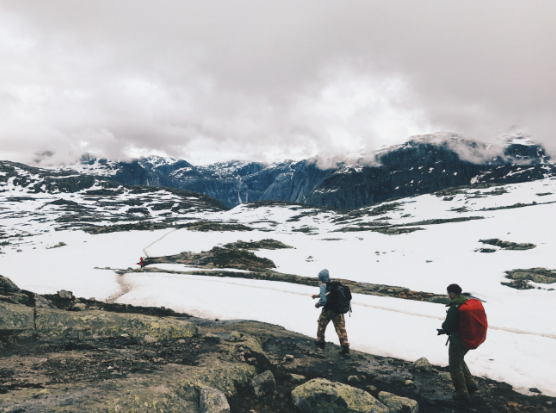
And then you start walking. Within a day, the mountains are not a far-off silhouette. They are right there. Peaks like Langtang Lirung fill the sky above you, their faces of rock and ice close enough to see the details. On the Everest trail, you walk for a week to feel that enveloped. Here, in your Langtang trekking experience, you live inside the scenery from the first morning. The lesson is immediate: majesty does not need distance.
The Second Lesson: Culture is Not a Sideshow
On the famous routes, culture can sometimes feel like a rest stop. A monastery you visit, a village you pass through on the way to something higher.
In the Langtang valley trek, culture is the path itself. This is the home of the Tamang people. Their presence is not curated for you. It is simply their life, unfolding as you walk through it. You see it in the intricate wood carvings on a house in Briddim. You can hear it in the soft chant from a monastery in Kyanjin Gompa. You sense it in the shy smile of a child peeking from a doorway.
The villages of Langtang and Mundu were rebuilt by hand after the 2015 earthquake. Every stone placed is an act of memory and will. As you walk here, you are not just a trekker; you are a witness to a community’s unwavering decision to stay. This depth of connection, this sense of walking through a living story of loss and regrowth, is a profound part of the Langtang trek that the busier trails cannot offer.
The Third Lesson: The Grace of a Manageable Scale
Everest is about the summit, even for trekkers. The goal is the base camp, the high point, the number. The narrative is one of ascent.
The narrative of a Langtang trekking journey is different. It is one of immersion. With a maximum altitude around Kyanjin Gompa at 3,870 meters, your body is not at war with the air. You can breathe. You can think. You have the mental space to notice the crimson bloom of a rhododendron, the texture of moss on an ancient mani wall, the sound of the Langtang River below.
This manageable scale changes everything. It removes the singular, obsessive focus on height and replaces it with awareness. You notice the changing forests, from subtropical to alpine. You have conversations with your guide about local herbs, not just about the next steep section. The Langtang valley trek teaches you that wonder exists in the details, not just the summit panorama.
The Fourth Lesson: Silence is a Teacher
The Everest trail has energy. It is exciting, communal, and loud with the ambition of hundreds. The Langtang valley often gives you the gift of silence. You will walk for an hour and hear only your boots on the path, the river, and the wind. This silence is not empty. It is full.
It allows for a reflection that is impossible in a crowd. You start to hear your own thoughts. You notice how the light changes on the face of Yala Peak. You stop because you want to, not because the line of trekkers in front of you has stopped. This quiet is where you learn about your own pace, your own reasons for being there. Everest shows you the power of the mountain. Langtang’s silence allows you to feel your own place within it.
The Fifth Lesson: Connection Over Achievement
At the end of a Langtang trek, people do not ask, “Did you make it to Kyanjin?” as a checkbox. They ask, “How was it?” The difference is essential.
A specific, famous destination does not frame your accomplishment. The experience frames it. The memory of sharing a pot of milk tea with a Tamang family. The feeling of standing on the Tserko Ri ridge at sunrise, completely alone with a sea of peaks. The warmth of a teahouse kitchen after a cold day.
The Langtang valley trek redefines success. It is not a conquest. It is a connection. Connection to a culture, to a landscape, and to a quieter version of yourself that gets heard when the world’s noise fades away.
The Final Truth
Everest will teach you about the might of the Himalayas. It will show you a postcard that comes to life and give you a story about one of the planet’s most extreme places.
But the Langtang trek will teach you about the heart of the Himalayas. It will show you the people who call it home, the quiet resilience of life in high places, and the profound peace that comes from being a respectful guest in a majestic, living valley. It offers a wisdom that is softer, deeper, and ultimately, more human. It teaches you that sometimes the most incredible journeys are not about reaching the highest point, but about understanding the ground beneath your feet, and the community that tends it.